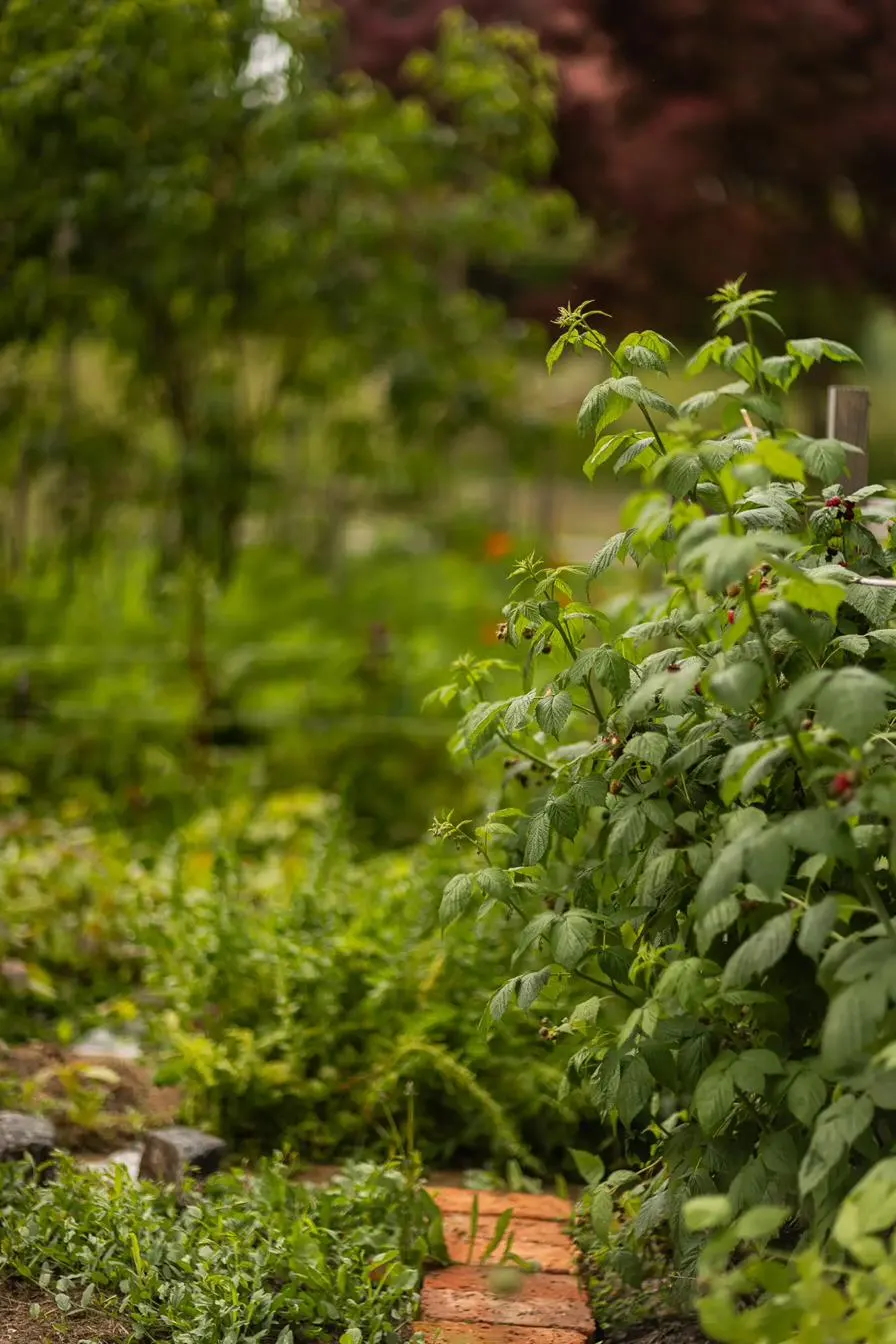
The garden cooks with us
Whoever sits at our table is not eating a shopping list. They are eating a season. Most of what reaches the plates at Villa Oiva has travelled about thirty metres: from the bed, through the open kitchen, onto the long table. That is not a marketing formula. It is the consequence of a decision we made together with the house.
A garden that does not have to obey
When we took over the grounds, the garden was what estate agents call "potential": a meadow with a past. We could have rolled out turf, planted box spheres, installed irrigation on a timer. Instead we chose permaculture, a system that works with the site rather than against it.
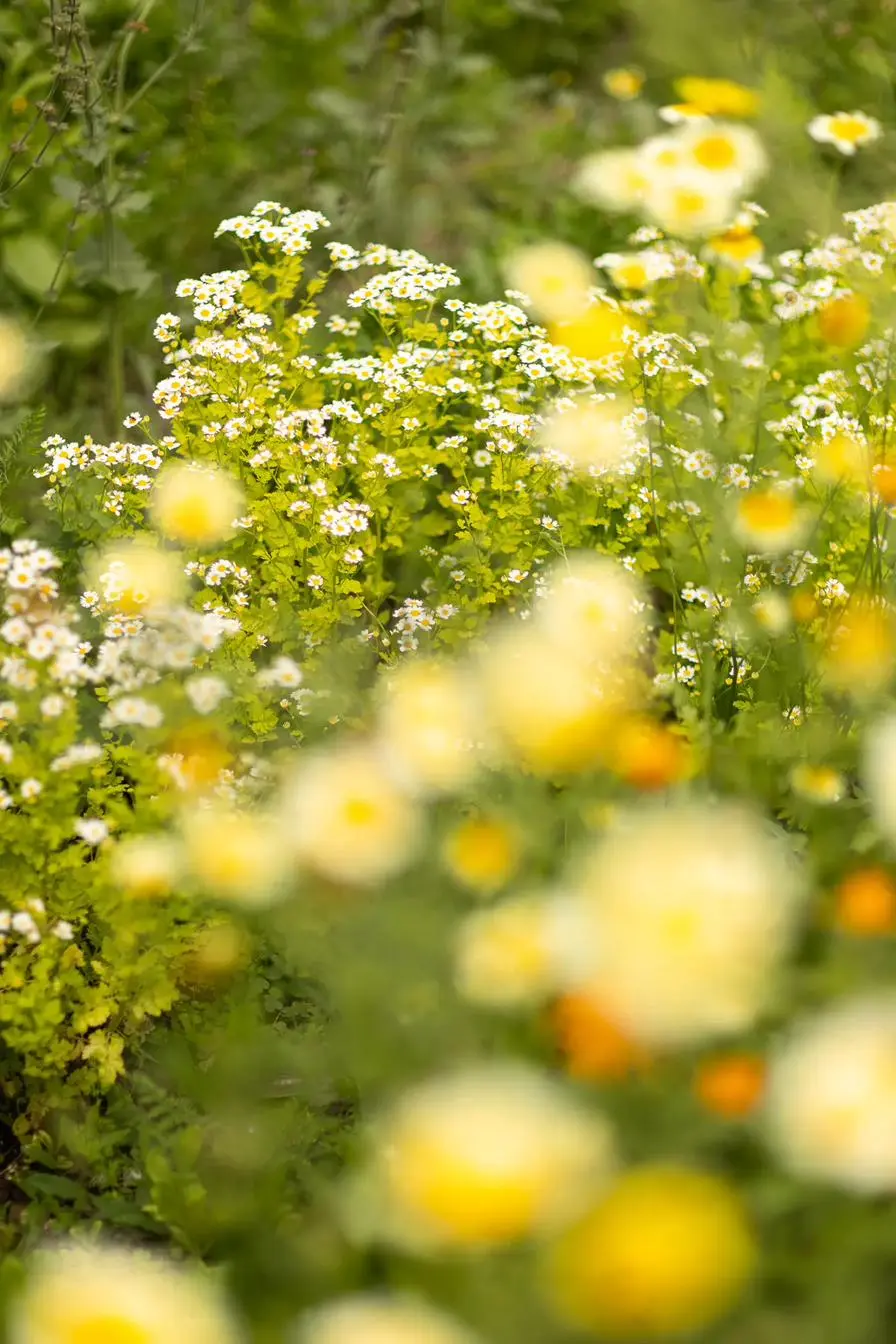
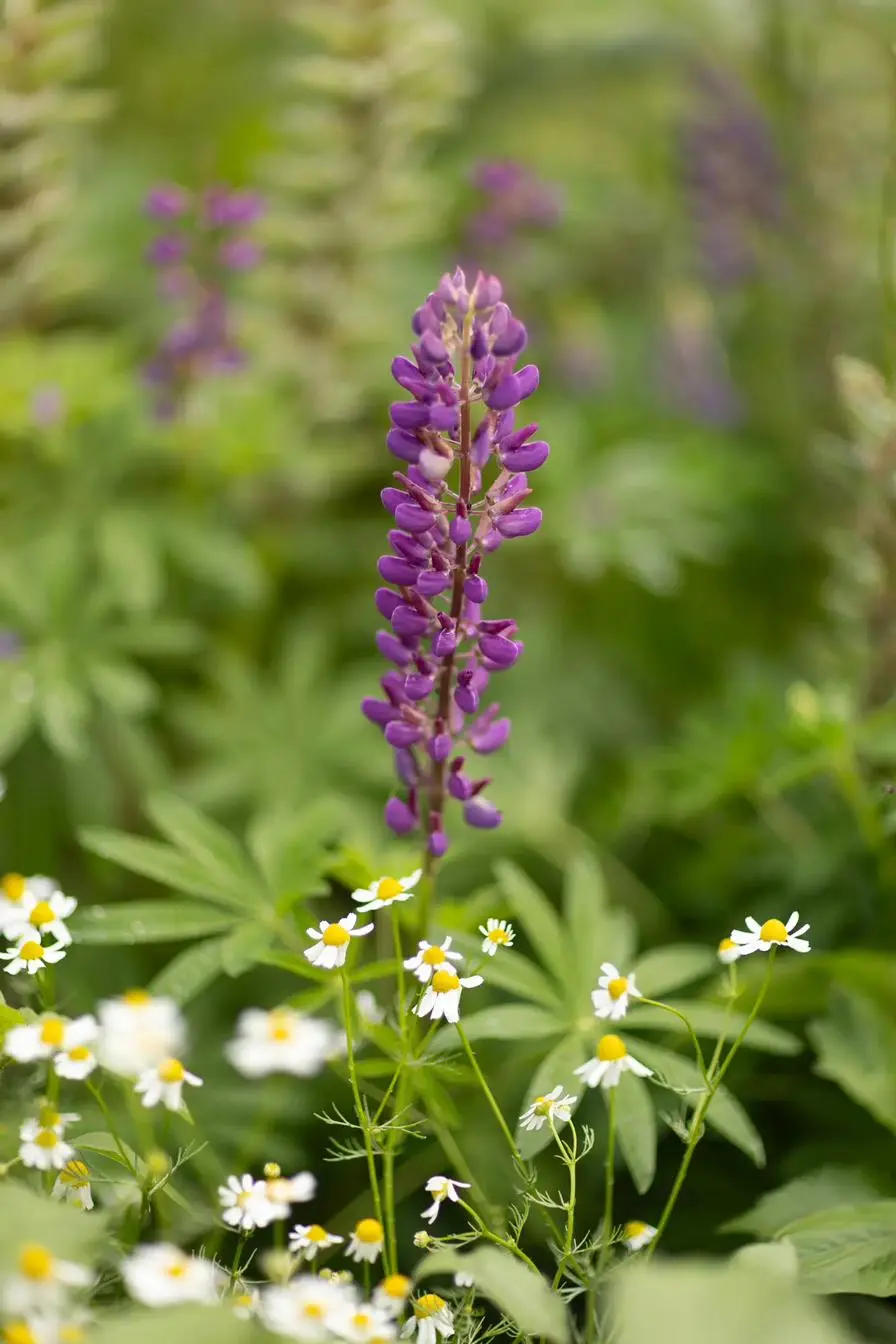
In practice that means companion planting instead of monoculture. Beans climb next to corn, nasturtiums keep aphids off the tomatoes, marigolds stand between the lettuces because they keep the soil healthy and decorate the plates on the side. The wildflower meadow at the edge is not laziness but intent: it feeds the pollinators our fruit trees depend on. Everything has at least two jobs. Nothing stands around just to be pretty. That it is pretty anyway, we gratefully accept.
July writes the menu
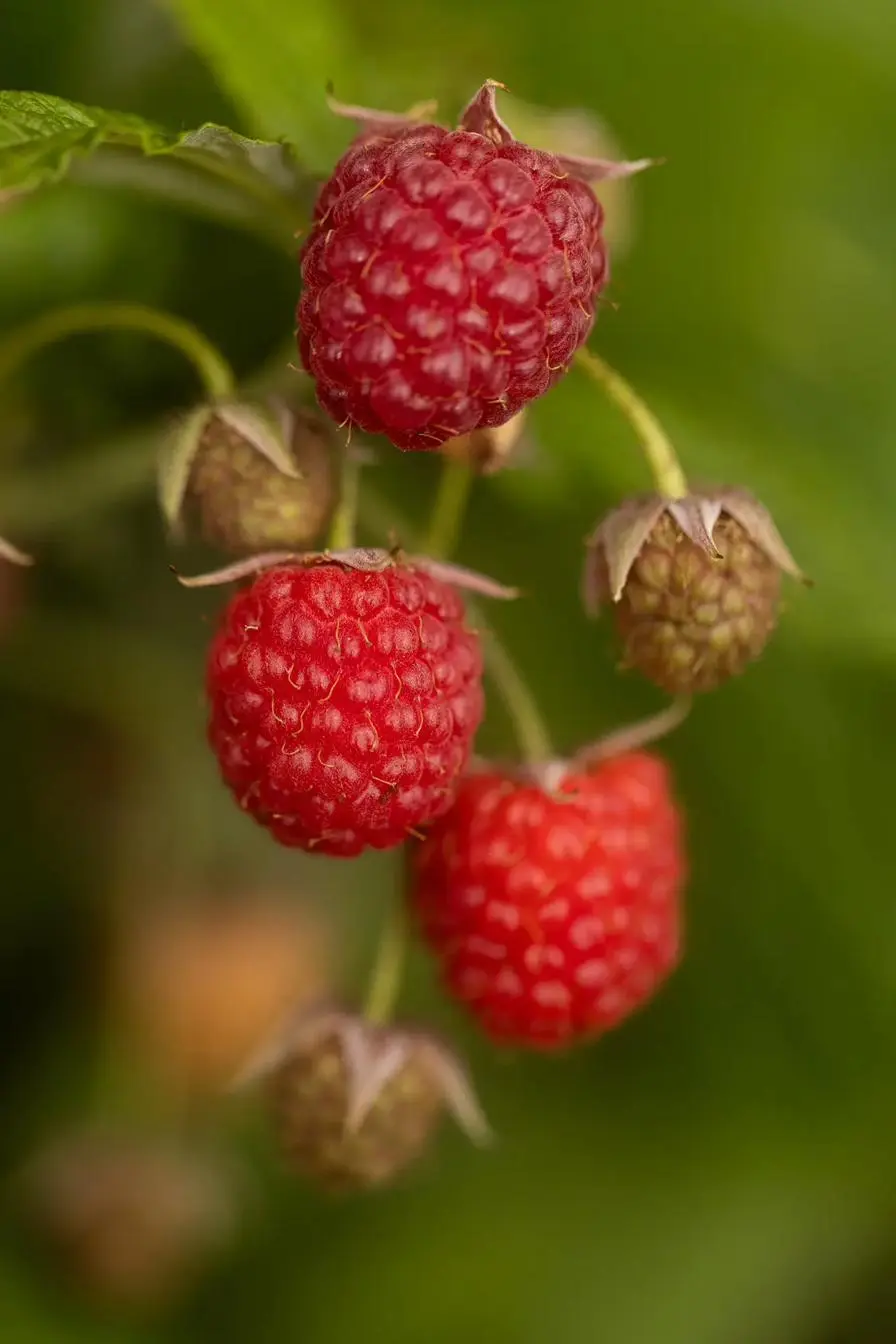
For our celebrations this means an unusual order of operations: first we look at the garden, then we write the menu. Not the other way round. Couples marrying here in July get raspberries that hung on the cane that morning, courgette flowers, young garlic, herbs in a density no wholesale market delivers. Those celebrating in September get pumpkin, plums, and the last tomatoes of the year, the sweetest ones.
It sounds romantic, but above all it is honest. A menu that follows the soil cannot promise everything. It cannot do strawberries in October. In return, everything it does promise tastes of the place where the celebration happens. Our guests usually notice at the second course, when someone asks why the salad tastes as if it had an opinion.
Patience as an ingredient
Permaculture is not a quick win. The soil needed two years before it trusted us. The fruit trees have only recently begun to carry enough for compote and cake. A raised bed looks like a promise in its first year and like proof in its third. This slowness suits the house: a villa from 1895 has never been in a hurry either.
Perhaps that is exactly why the garden belongs to every celebration. It reminds us that the good things, celebrations included, are not produced. They grow. We prepare the soil, we water, we wait. Summer does the rest.